The Impact of AI on Garden Design

Updated: Jul 23

I'm often asked whether AI is going to change garden design. The short answer is yes, it already is. But not in the way many people imagine.
Like every tool that has come before it, AI is useful where it supports good thinking, and problematic where it replaces it. In a discipline as site‑specific, collaborative and long‑term as garden design, that distinction matters.
AI in Garden Design: A Tool, Not a Designer
At its best, AI helps with speed, analysis and organisation. It can process large amounts of information quickly: topographical data, climate patterns, constraints, even early visual studies. Used well, it allows us to arrive at projects better prepared and to test ideas more efficiently.
What it cannot do is design a garden.
A garden is not an image or a layout. It is a response to a place, a client, an architectural context and a future that unfolds over decades. That requires judgement, restraint, experience and an understanding of how people and plants behave over time.
AI can support that process, but it cannot replace it.
Understanding Place Still Comes First
Every site has its own character - physical, historical and cultural. Exposure, soil, views, neighbours, existing trees, planning constraints, the way a garden is used day to day: these things only become clear through careful study and time spent on site.
AI can help analyse data, but it cannot read a place. It cannot sense when something feels over‑designed, or when doing less will result in something stronger. Those decisions come from experience and from paying close attention.

Garden Design Is Inherently Collaborative
One of the things AI cannot replicate is collaboration, and garden design is deeply collaborative work.
Working With Clients
The most important collaboration is always with the client. Understanding how people live, what they value, and how they want to use their garden is fundamental. This is an ongoing conversation, not a brief handed over at the start.
Good design comes from listening carefully, challenging assumptions when needed, and refining ideas together. No algorithm can replace that relationship.

Working With Architects and Planners
On many projects, the garden is inseparable from the architecture and the planning context. Early collaboration with architects helps ensure that house and garden are conceived as a single, coherent whole.
Equally, working constructively with planners, particularly on sensitive or constrained sites, is critical. Successful outcomes rely on experience, clarity of intent and an understanding of how to articulate design decisions. AI can help organise information, but it cannot negotiate, persuade or exercise professional judgement.

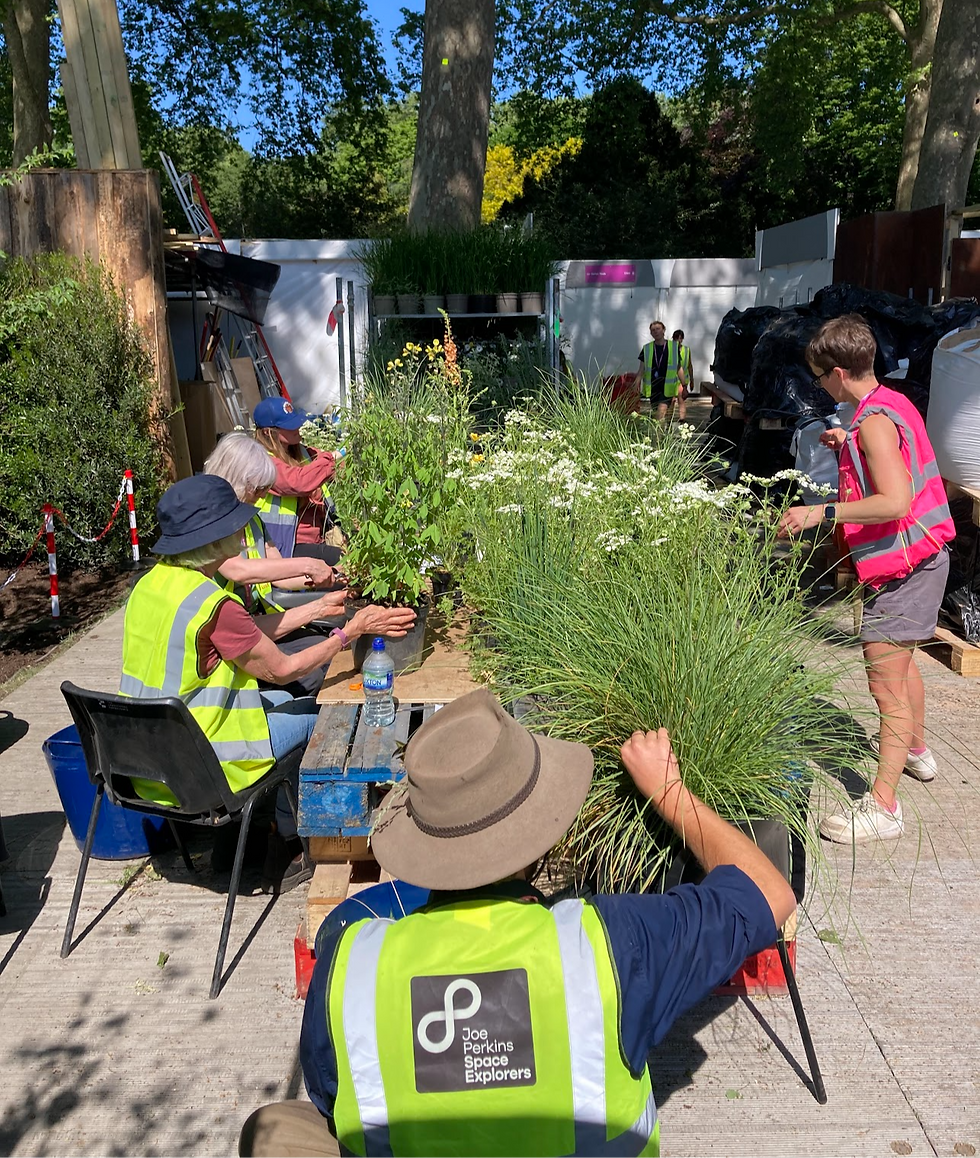
Gardeners: Integral to the Garden Design Process
A garden does not begin and end with design and build. In reality, that is only the first step.
Gardeners play a critical role in the long-term success of any project. They are the people who come to understand a garden intimately over time - how it grows, where it struggles, what needs adjusting and what should be left alone.
Working closely with gardeners from an early stage helps ensure that a design is not only beautiful on completion, but realistic, sustainable and capable of thriving. Their knowledge feeds back into better design decisions, particularly when it comes to planting, maintenance and long-term management.
Gardens evolve. Design intent needs stewardship, not just installation.
Designing for Time
One of the greatest limitations of AI is its inability to design for time.
Gardens change year by year. Trees mature, light levels shift, planting thickens or thins, and use patterns evolve. Good garden design anticipates this and allows space for adjustment.
That kind of thinking comes from experience, from seeing what happens five, ten or twenty years after a garden is completed. It is not something that can be generated instantly.
The Real Opportunity
Used intelligently, AI allows designers to spend less time on repetitive tasks and more time where it matters: on site, in discussion, refining ideas, and thinking long-term.
The risk lies in speed without thought, producing convincing visuals without depth, or solutions that look resolved but are not.
The opportunity is better focus on what only humans can do well.

The Future
AI will continue to develop, and it will undoubtedly become part of normal practice. But the fundamentals of good garden design remain unchanged.
Great gardens come from close observation, collaboration, judgement and care over time. They are shaped by many hands and minds - clients, designers, architects, landscapers, planners and gardeners - working together.
AI is simply another tool in that process.
The responsibility, authorship and long-term success of the garden still sit firmly with the people involved in its making.

FAQ's
Will AI replace garden designers?No — AI can process data quickly and support early-stage analysis, but garden design requires judgement, site-specific experience and an understanding of how people and plants behave over decades, which AI cannot replicate.
Can AI design a garden?AI can generate images and layouts, but a garden is a response to a specific place, client and architectural context that unfolds over time — something a data-driven tool cannot assess or design for on its own.
How is AI actually used in garden design today?At Joe Perkins Design, AI supports tasks like processing topographical and climate data and testing early ideas more efficiently, allowing more time to be spent on site, in client discussions, and on long-term design thinking.
Why does garden design need human judgement instead of AI?Garden design is inherently collaborative and long-term — it depends on relationships with clients, architects, planners and gardeners, and on judgement about how a space will look and function years after completion, none of which AI can provide.


Comments